Service Design for RFP Management
at Infosys
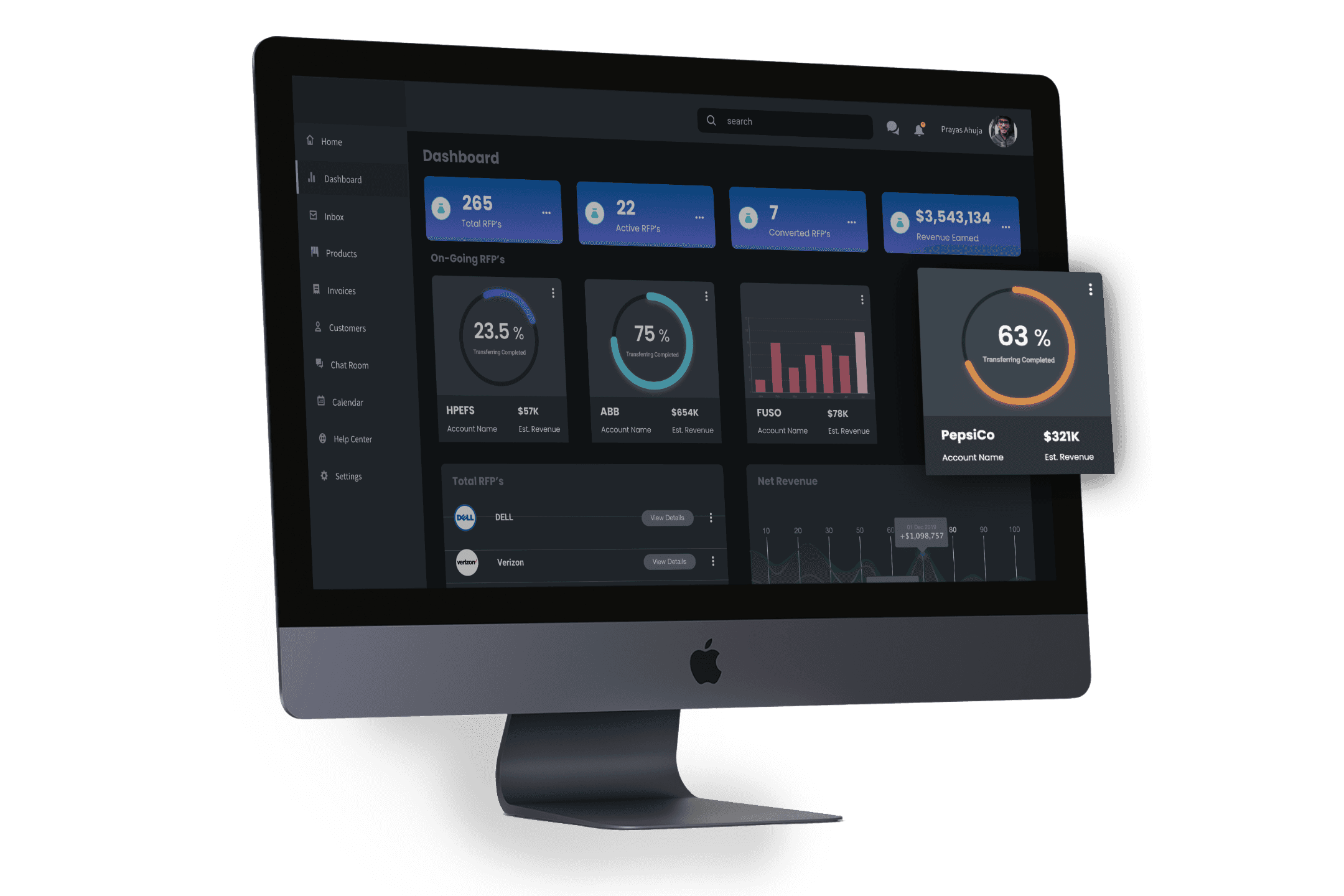
The goal was to design a portal for Request for Proposals (RFPs) that would centralise all related activities and documents in the cloud. This portal aimed to simplify the process, reduce dependencies, and improve overall efficiency by allowing users to create estimations, staffing plans, and manage repositories—all in one place.

Location
India
Career Tenure
2018 - 2020
My Role
UX/UI Designer
Revenue
$1.578 billion (2019)
Team Size
80
Challenge
The challenge was to design a cloud-based portal to manage the Request for Proposal (RFP) process at Infosys. The legacy system, relying heavily on Excel spreadsheets, was inefficient, slow, and prone to human errors. We aimed to create a unified portal that would simplify data entry, improve collaboration among stakeholders, and streamline the process from start to finish.
Key pain points identified:
Data Inaccuracy: Excel spreadsheets led to frequent inaccuracies, especially when handling large amounts of data.
Time Inefficiencies: Manually updating spreadsheets was time-consuming and slowed down decision-making.
Collaboration Issues: Sharing and accessing RFP data was difficult due to data stored locally on individual computers.
Transparency Challenges: Lack of real-time updates on the progress of RFPs led to communication gaps and delays.
Persona
The challenge was to design a cloud-based portal to manage the Request for Proposal (RFP) process at Infosys. The legacy system, relying heavily on Excel spreadsheets, was inefficient, slow, and prone to human errors. We aimed to create a unified portal that would simplify data entry, improve collaboration among stakeholders, and streamline the process from start to finish.
Client
Sales Head
Team Head
Head Anchor
Representative
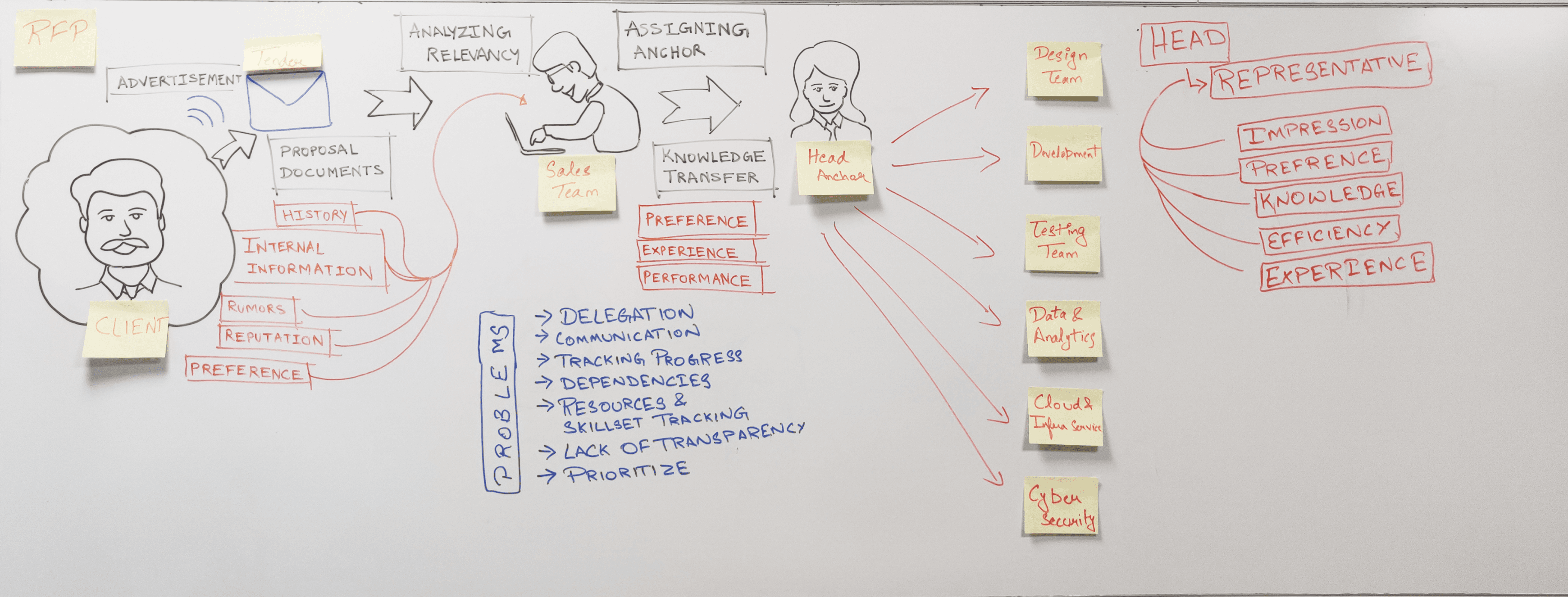
By understanding their specific needs, I ensured that the new system catered to all personas, improving usability and collaboration.
Discovery Phase
During the discovery phase, I conducted interviews and stakeholder workshops to identify pain points and improvement areas. The following insights were gathered:
Time, Communication, and Coordination were critical to the RFP process.
There were significant dependencies on other teams for data, leading to delays in submissions.
Many users reported a lack of transparency in tracking RFP progress, often leading to missed deadlines.
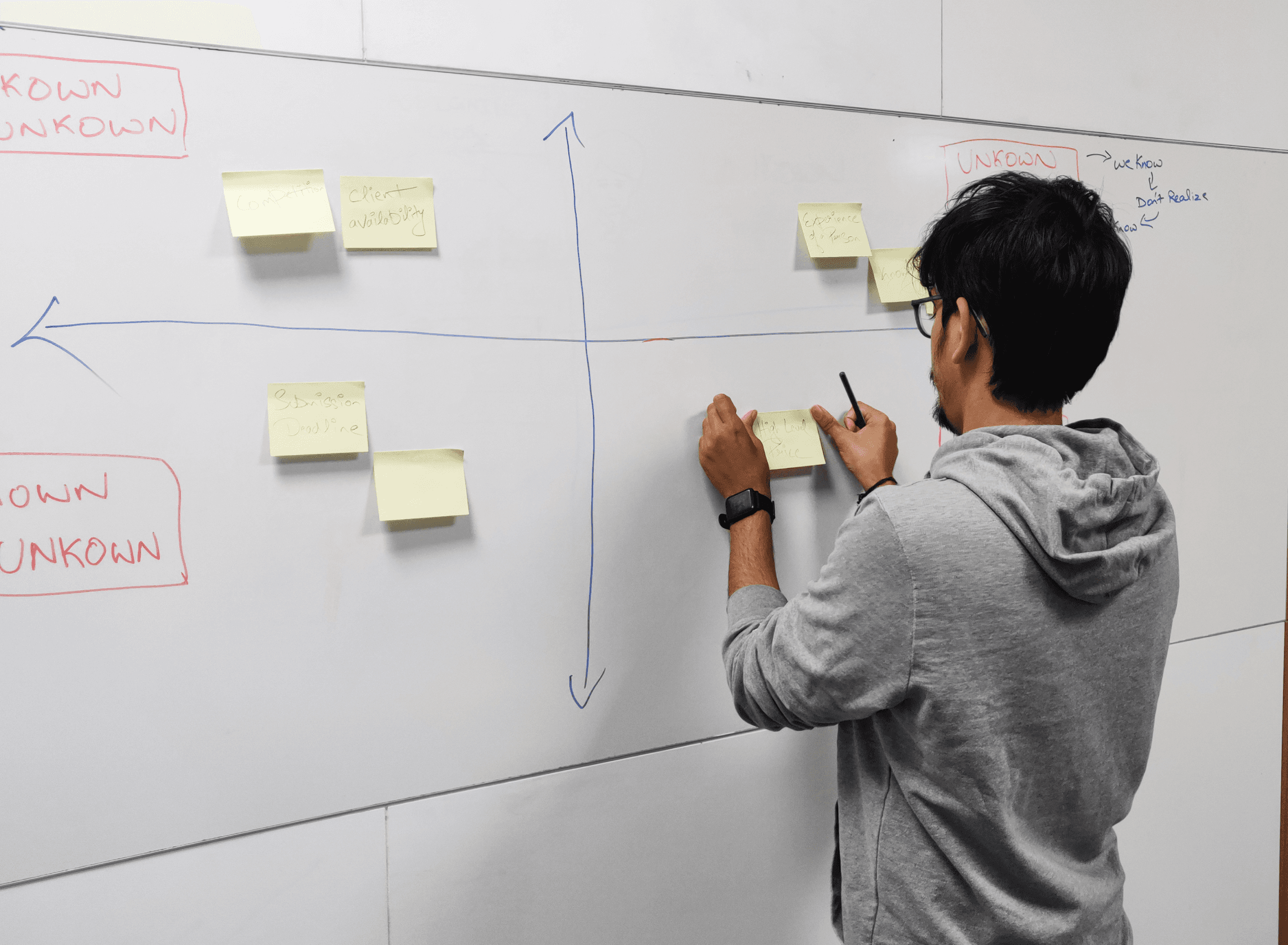
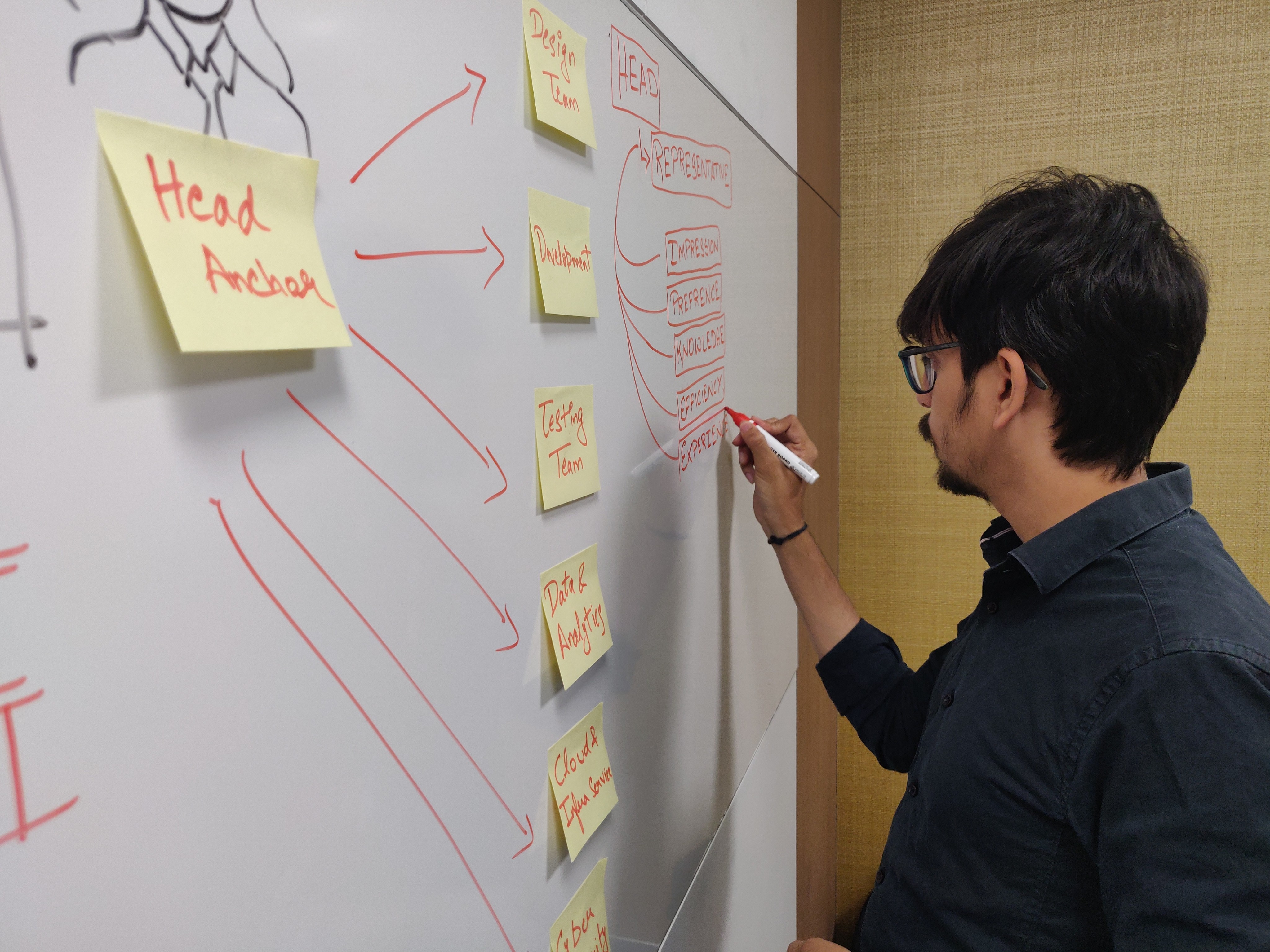
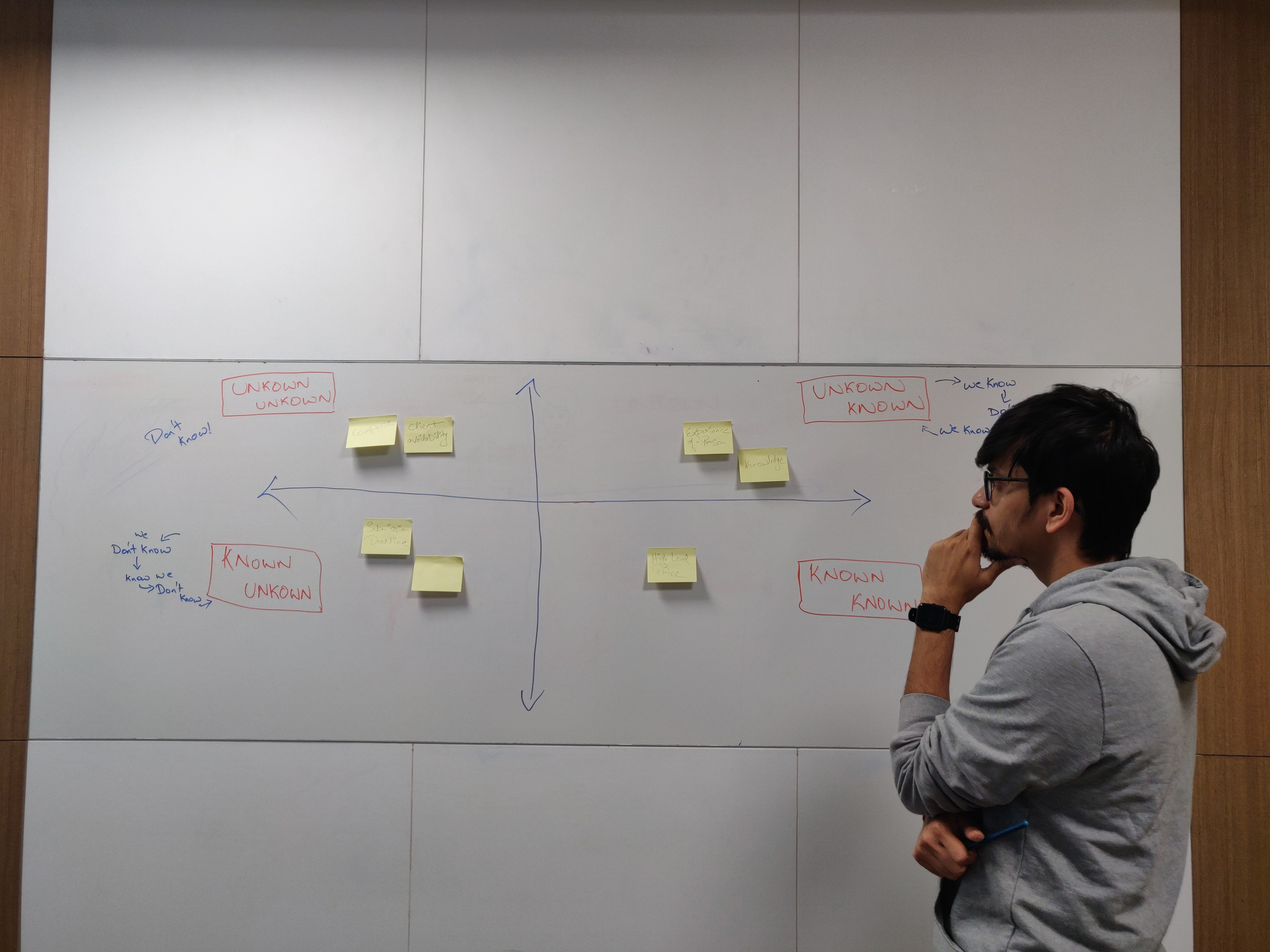
To address these issues, I explored design thinking frameworks like the known and unknown framework to anticipate potential problems. Additionally, I applied the concept of merging human and artificial systems, ensuring the new portal would seamlessly integrate with existing workflows while enhancing user experience.
Design Process
01. Wireframing and Prototyping
We developed low-fidelity wireframes to explore different layout ideas.
Multiple iterations were tested with key users, leading to refinements.
Prototypes focused on reducing the cognitive load by presenting data clearly and offering easy navigation across proposals, client details, and documents.
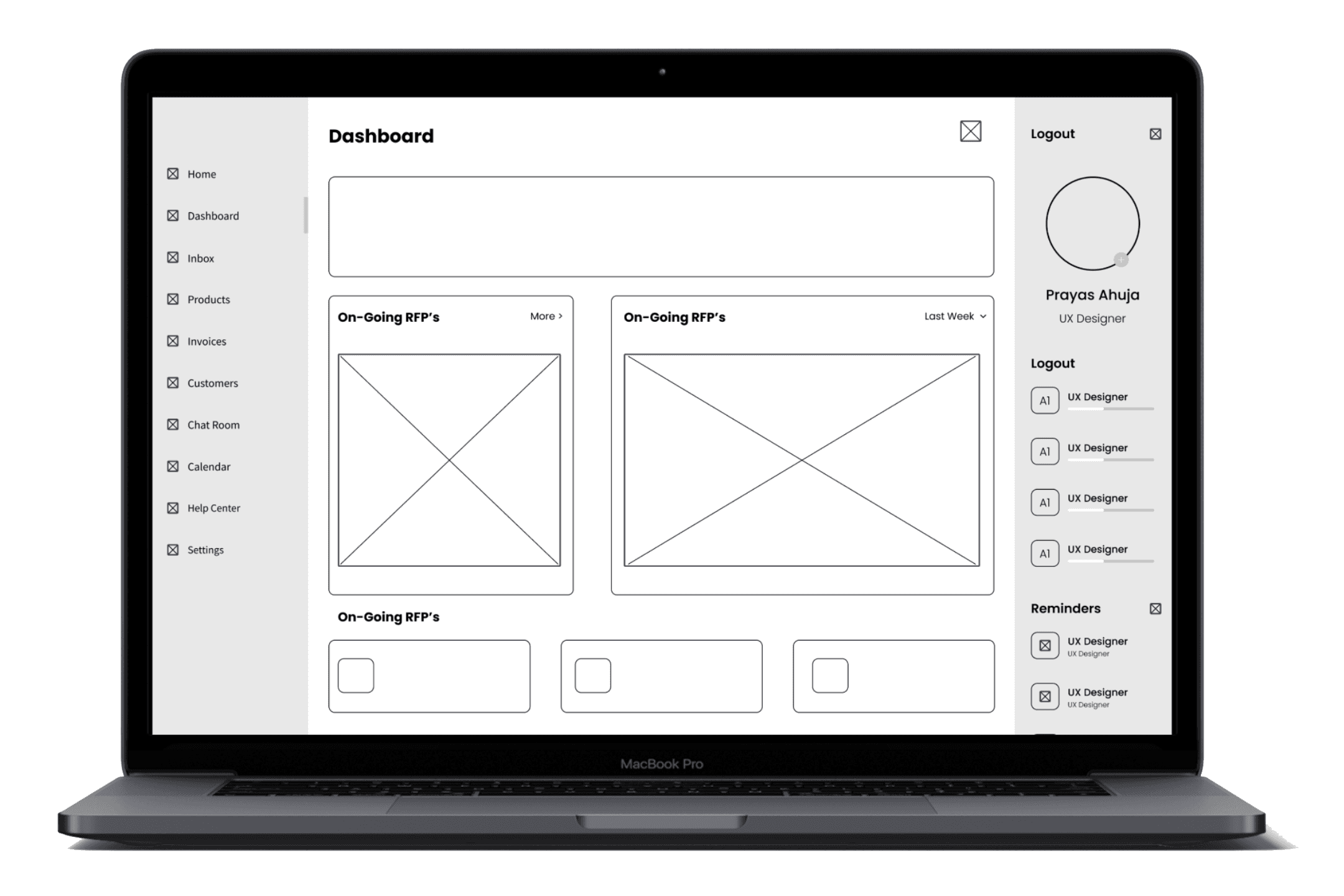
Key Features:
Dashboard Overview: A real-time view of all active RFPs, key performance metrics, and proposal progress.
Activity Feed: A collaborative space for stakeholders to leave comments, follow-up tasks, and updates on each RFP.
Document Repository: A centralised location for storing and retrieving all proposal-related files, reducing the need for local storage and manual file sharing.
02. Usability Testing
Usability tests were conducted with actual users to ensure that the design met their needs.
Feedback from testing sessions led to further enhancements, including a more detailed RFP status tracker and improved filtering options for sorting proposals.
Current State (Pre-Portal)
Before implementing the RFP Management Portal, the process was slow, inefficient, and highly prone to errors. Key pain points included:
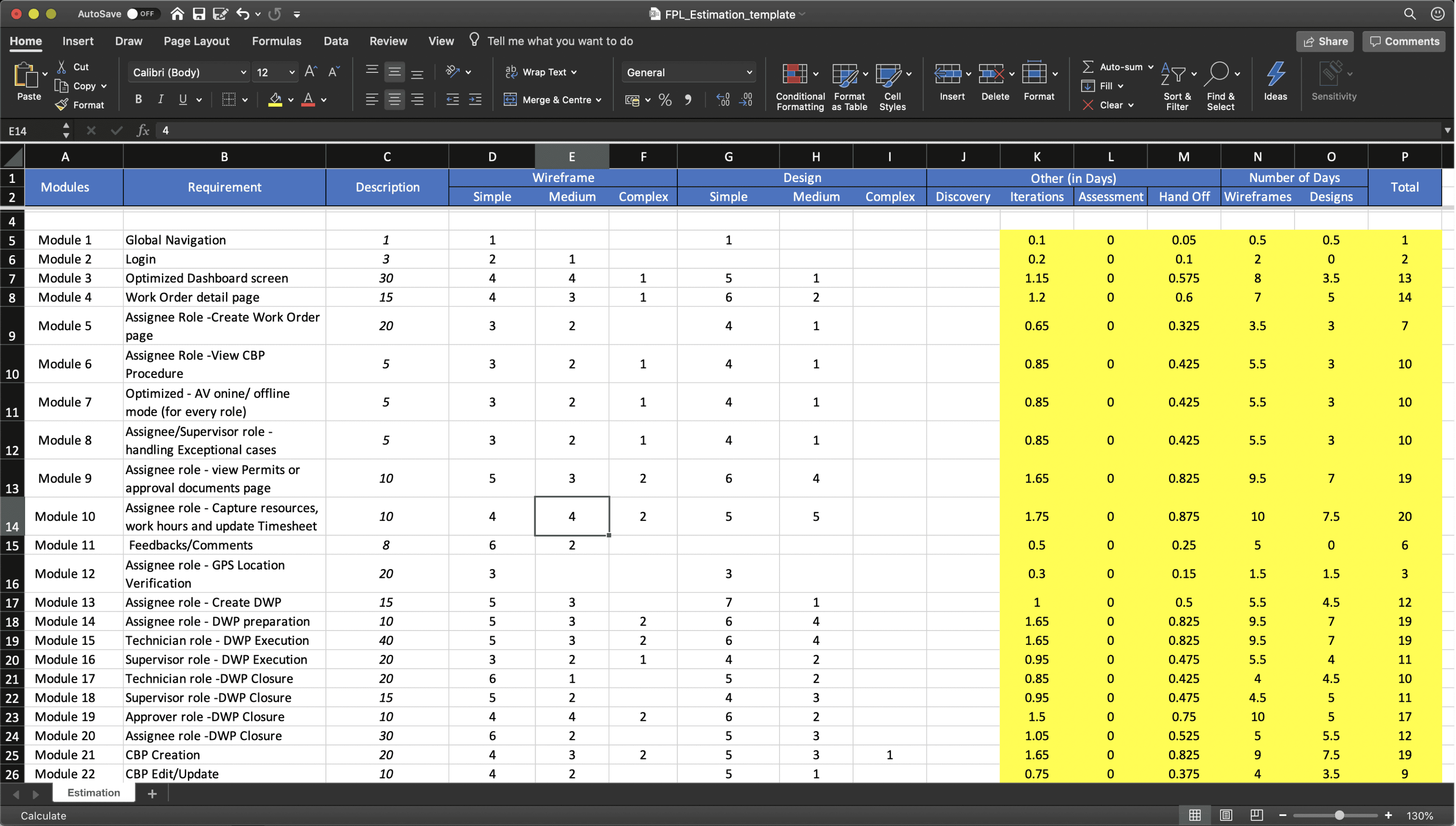
Slow Processing: As data increased, Excel slowed down considerably, hampering quick decision-making.
Multiple Spreadsheets: It was challenging to consolidate data from various spreadsheets, leading to inconsistencies.
Human Error: Manual data entry introduced errors, making the process unreliable.
Local Storage Dependency: With data stored on individual computers, collaboration between teams was difficult and inefficient.
Solution & Outcome
The RFP Management Portal addressed these pain points by centralising all data, automating parts of the RFP process, and improving collaboration across teams.
40%
Reduction in Manual Effort
25%
Increase in User Retention
84%
Increase in Time Spent on Website
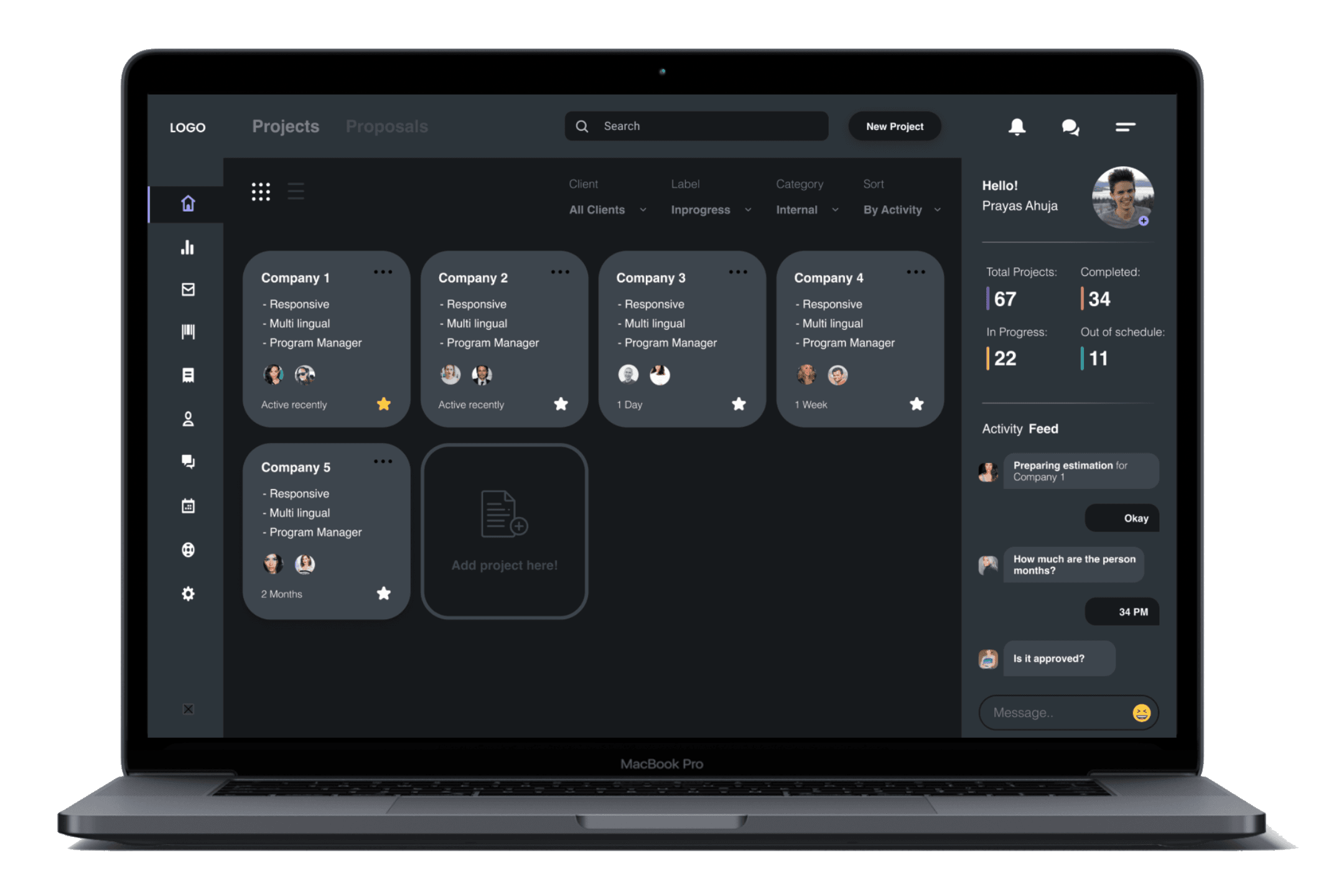
Option to create new project.
Option to search for files within the portal.
View profile and status of the work.
View the activity feed where user can interact with other team members.
This card shows all the main points that the proposal includes.
Option to add new proposal.
Conclusion
This project successfully transitioned Infosys from a cumbersome Excel-based RFP system to an efficient, cloud-based solution that improved accuracy, collaboration, and transparency. The portal not only addressed immediate pain points but also provided a scalable solution for future growth.
By leveraging service design principles, the new system significantly improved operational efficiency and reduced the overall time and effort required to manage RFPs, making it easier for teams to focus on value-added tasks and strategic initiatives.
This case study showcases the importance of service design in tackling complex business challenges and highlights how user-centric solutions can drive significant improvements across large organisations.